Natural Materials in Scandinavian Interiors
Discover how wood, fabrics, and textures create warmth and authenticity in minimalist spaces.
Overview of Wood Types and Their Visual Feel
Wood is fundamental to Scandinavian design, bringing natural warmth and texture to interiors. Different wood species offer distinct characteristics that influence the overall atmosphere of a space.
Light Woods
Birch, ash, and pine create bright, airy feelings. These woods work well in smaller spaces, reflecting light and maintaining a sense of openness. Their pale tones complement white walls and natural textiles.
Medium Tones
Oak and beech provide balanced warmth without overwhelming a space. These versatile woods work in various settings, offering durability and timeless appeal. Their grain patterns add subtle visual interest.
Darker Accents
Walnut and teak can be used sparingly for contrast and depth. When used thoughtfully, darker woods ground a space and create focal points. They work particularly well in larger rooms with abundant natural light.
Consider the finish as well. Natural oil finishes enhance the wood's character, while matte lacquers provide protection while maintaining a soft appearance. The goal is to let the material's natural beauty shine through.
Soft Fabrics and Their Texture Characteristics
Textiles add comfort, warmth, and visual interest to minimalist spaces. Scandinavian design favors natural fibers that feel good to the touch and age gracefully over time.
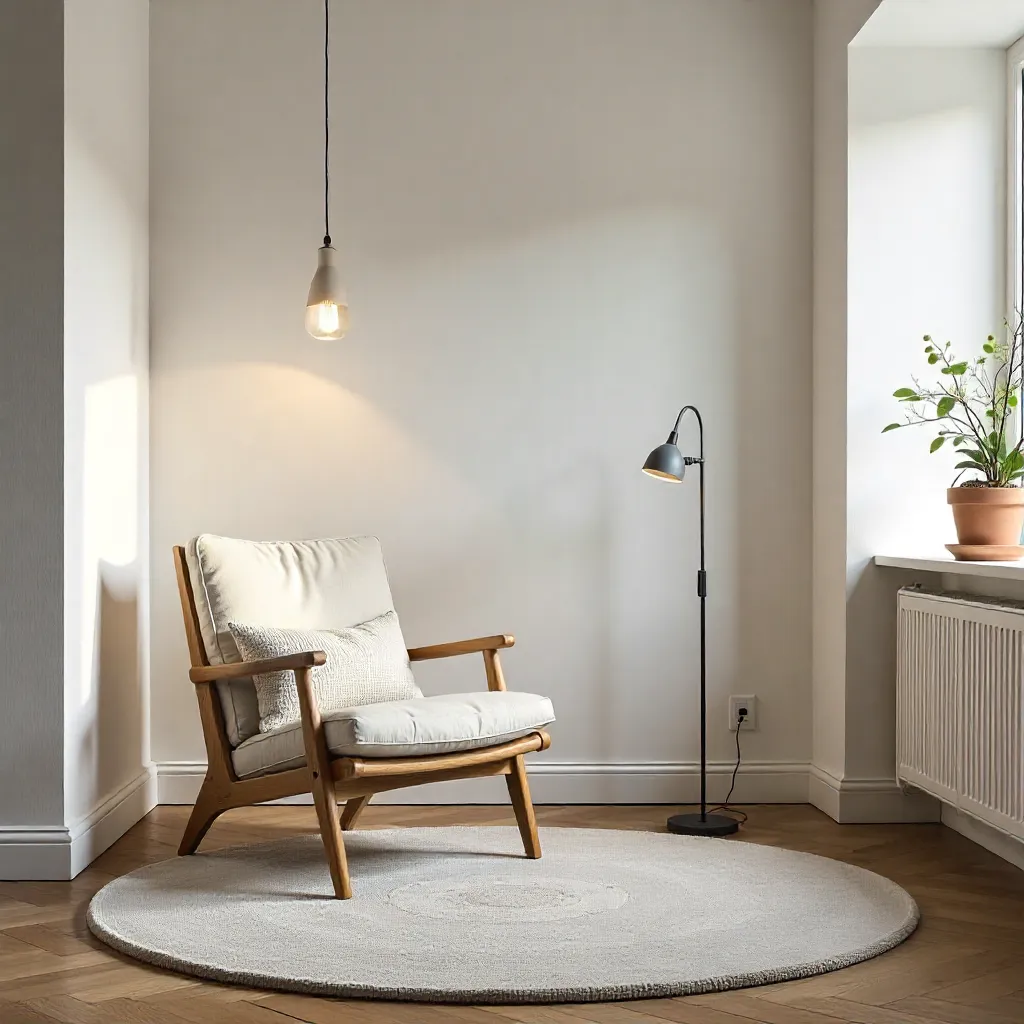
Linen offers a crisp, slightly textured feel that works beautifully for curtains, cushions, and bedding. Its natural wrinkles are part of its charm, adding character without appearing messy. Wool provides warmth and softness, ideal for rugs, throws, and upholstery. Its natural variations in color and texture create depth.
Cotton, in its various weaves, provides versatility. From smooth percale for bedding to textured canvas for cushions, cotton adapts to different needs while maintaining a natural aesthetic.
Subtle Patterns Commonly Used in Nordic Décor
Scandinavian patterns are typically understated, drawing inspiration from nature and traditional crafts. These patterns add interest without overwhelming the minimalist aesthetic.
Geometric Motifs
Simple geometric patterns, often inspired by traditional Nordic designs, appear in textiles and wallpapers. These patterns are usually monochromatic or use muted color palettes.
Natural Textures
Rather than bold prints, Scandinavian design often relies on the natural textures of materials themselves. The grain of wood, the weave of fabric, and the surface of ceramics create visual interest.
Organic Forms
Curved lines and organic shapes appear in furniture, lighting, and decorative objects. These forms soften the clean lines typical of minimalist design, adding warmth and approachability.
Neutral Color Combinations for Simple Interiors
Color in Scandinavian design serves to enhance rather than dominate. Neutral palettes create calm, cohesive environments that allow materials and forms to take center stage.
Start with white or off-white as your base. These light backgrounds maximize natural light and create a sense of space. Add warmth with soft greys, beiges, and light browns. These neutrals work harmoniously together, creating depth without contrast.
Accent colors, when used, are typically muted. Soft blues, greens, and pinks inspired by nature can add subtle interest. The key is restraint—let these colors appear in small doses through textiles, artwork, or decorative objects.
Bringing It All Together
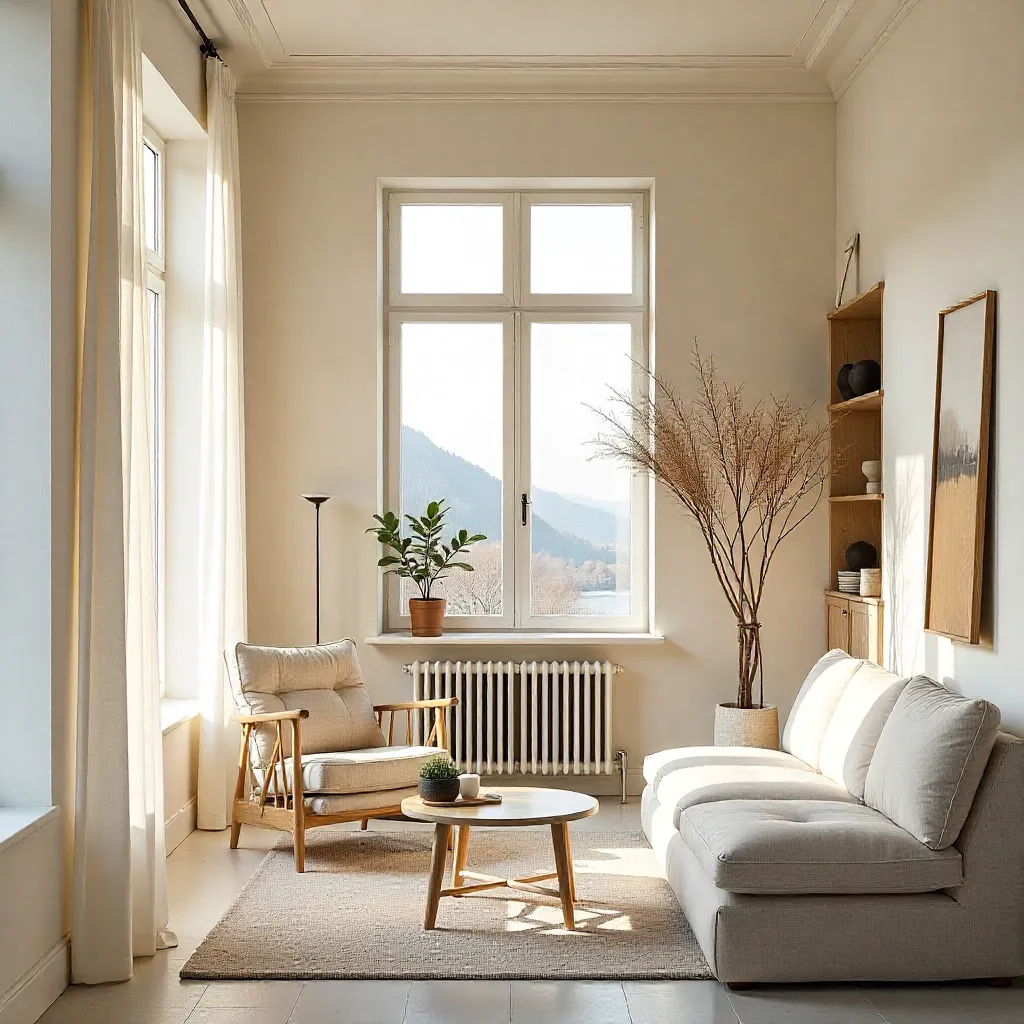
The beauty of Scandinavian design lies in how materials work together. Wood, textiles, and color create a cohesive whole that feels both intentional and effortless. When selecting materials, consider how they complement each other in texture, tone, and character.
Remember that natural materials age beautifully. They develop patina and character over time, telling the story of a space that's lived in and loved. This authenticity is central to the Scandinavian aesthetic.